Tips & Knowledge
Choose Right Tattoo Artist
A working-studio guide to choosing a tattoo artist — the three-lens portfolio-reading framework, red and green flags, sp
Book a consultationPortfolio reading is a skill
Not a vibe check.
Most clients scroll a tattoo artist’s Instagram the way they scroll anyone else’s — a blur of thumbnails, a rough read, a gut decision about whether to book. That pass takes ninety seconds and commits a decision that lives on the body for the rest of a life.
Follower counts don’t tell you anything. Likes don’t tell you anything. Feed aesthetics tell you whether someone has a photographer, not whether someone has a practice. The work tells you — if you know what to look at. Portfolio reading is a skill the same way wine tasting is a skill. Everyone can drink. Not everyone can tell what’s in the glass.
The three lenses
What to look for, in what order.
Three questions structure almost every honest portfolio review. Walk in with these, and a feed of two hundred pieces resolves into the signal buried inside it.
Healed work
Fresh tattoos look crisp because of inflammation and moisture. Six months later, the picture is different — line wobble shows up, saturation loss becomes visible, color muting declares itself, black that wasn’t packed evenly goes gray in rushed spots. Ask directly for healed examples six and twelve months out. A working artist has these. An artist with zero healed photos anywhere isn’t neutral — they’re hiding the honest image.
Consistency across years
One incredible tattoo proves one incredible tattoo. Forty consistent pieces across four years prove a practice. Scroll past the hero shots. Find the fourteenth piece in, the twenty-second, the thirty-eighth. If those look like the fourth, the artist has a style cured into something dependable. If they drift, the artist is still searching. Neither is wrong — you should know which you’re hiring.
Fundamentals through filters
Photography hides a lot. It doesn’t hide everything. Line wobble on long curves (uneven hand pressure), inconsistent saturation in large fills (rushed passes), awkward composition where the design crowded a joint, black that grays out in predictable spots across multiple pieces — these survive every filter on every platform. If you can see them through a ring light and a color grade, they’re on the skin.
Portfolio flags
Watch for absence as actively as presence.
Eight red flags and eight green flags. Any one red flag is a pause. Two or more is a no. Green flags are the baseline at a working studio — if a portfolio doesn’t land at the baseline, the portfolio is telling you something.
Red flags
- No healed photos anywhere in the portfolio — not in a highlight, not in a story, not on request
- Every shot taken at the same angle, lighting, and filter — no range of how the work appears in the world
- Style roulette — Japanese, fine-line script, traditional eagle, micro-realism portrait in the same month, all claimed equally
- Heavy reliance on flash with almost no custom examples
- Thin body of finished work stacked against a disproportionately large follower count
- Recent posts only, nothing from two years back — either a new account or cleared history
- Crops that show only part of the tattoo, never the whole piece
- Ring-light-and-heavy-edit on every shot with no process photos, no in-progress snaps, no variety in light
Green flags
- Healed photos labeled and timestamped at clear intervals
- Repeated subjects and compositions — range within a lane, not ten lanes
- An obvious specialization, named and defended, that matches your piece
- Before/after sequences for cover-up work (not just finished shots)
- Guest-spot history at other shops — cross-pollination is how working artists stay sharp
- Thoughtful captions that describe craft decisions, not just emojis
- Testimonials that describe the process and the consultation, not just the finished image
- An older Tumblr, portfolio site, or print book — less curated is more honest
How to actually review a portfolio
Thirty minutes. Not three.
A cup of coffee, a notes app open, and a decision to be literate. Five moves separate a surface scroll from a real read.
Dedicate 30 minutes
Not three. A cup of coffee, a notes app open, and a decision to be literate. Thirty minutes of portfolio study is the cheapest insurance a tattoo client ever buys.
Scroll to the oldest post
Then scroll forward through the archive. Watch the work evolve. This is the truest read you can get of an artist’s trajectory.
Study ten pieces, not the hero ones
Two minutes each. What’s working? What isn’t? What lens is the photo protecting? What artifacts persist through the filter?
Cross-reference healed shots
Match fresh finishes to healed versions when both exist. The delta between them tells you what to expect from your piece at year one.
Find the older portfolio
A Tumblr from a decade ago, an old website, a printed book in the shop. Older portfolios are less curated — and less curated is more honest.
Follower counts don’t tell you anything. Likes don’t tell you anything. The work does — if you know what to look at.
The healed photo is the honest photo. Anything short of six months out is still the swollen, saturated version of the piece.
A specialist has drawn the same thing many times. A generalist has drawn many different things. Match the difficulty of the piece to the depth of the artist.
Specialist vs generalist
A match problem, not a status one.
A specialist has drawn the same thing many times. A generalist has drawn many different things. Depth over breadth, or breadth over depth — and the skill of hiring well is knowing which your piece requires. A strong generalist with clean fundamentals will out-tattoo a mediocre specialist on most small-to-medium work.
Styles that require a specialist
Japanese (Irezumi)
Compositional tradition inseparable from the style. Flow, wind bars, scale placement, background-to-subject ratio — none is improvisable. Japanese is a grammar, and specialists speak it fluently.
Fine line
Hairline weights are unforgiving. What looks crisp at the appointment blurs within two years if weight, depth, and saturation weren’t in a narrow band. Fine line ages faster than any other style; a specialist’s healed book matters more here than anywhere else.
Photorealism
Skin does not permit photograph-level tonal range. The specialist has solved the compression thousands of times — which tones to compress, which to sacrifice, which boundaries to invent.
Ornamental & sacred geometry
Symmetry is binary. A half-degree of rotational drift reads as failure from across a room. No room for wobble. Specialists exist for this reason.
Script & lettering
Kerning, weight contrast, stroke consistency, readability at twenty years of skin stretch. The generalist version is usually the piece a client ends up covering.
Cover-ups
A specific problem-solving skill that has almost nothing to do with general tattoo ability. Specialists solve a puzzle: what value range overrides the old ink, what composition distracts the eye, what subject accepts the existing shape as anatomy.
Portrait work
Likeness lives inside millimeter decisions. Specialists reach likeness after thousands of attempts. No other route exists.
When a strong generalist is the right hire
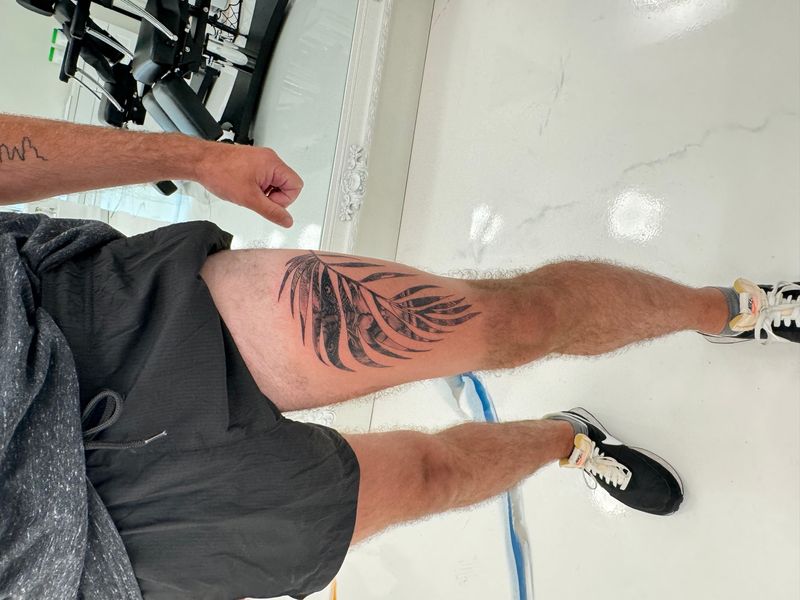
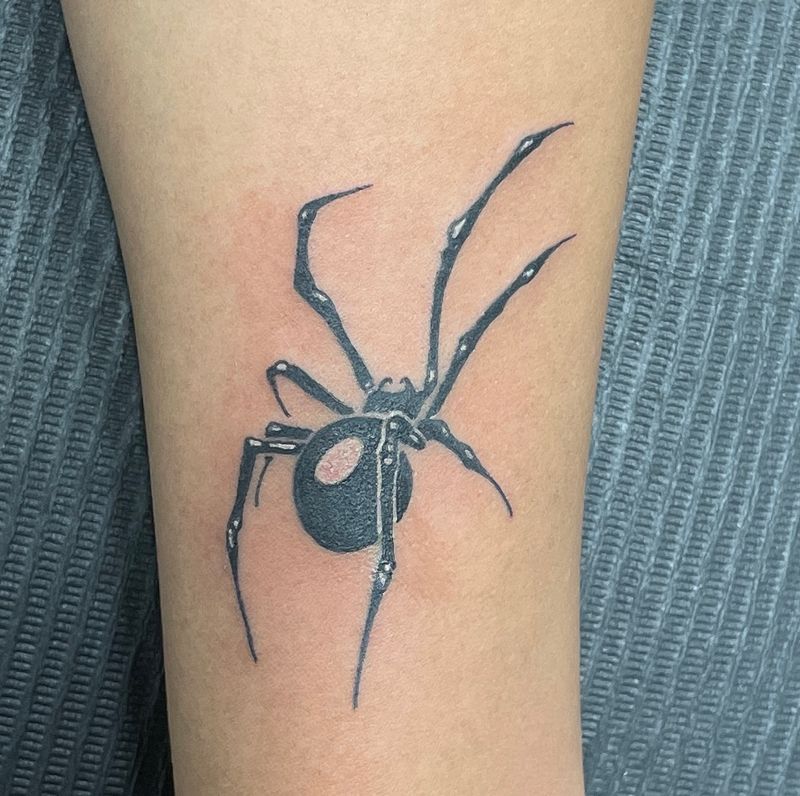
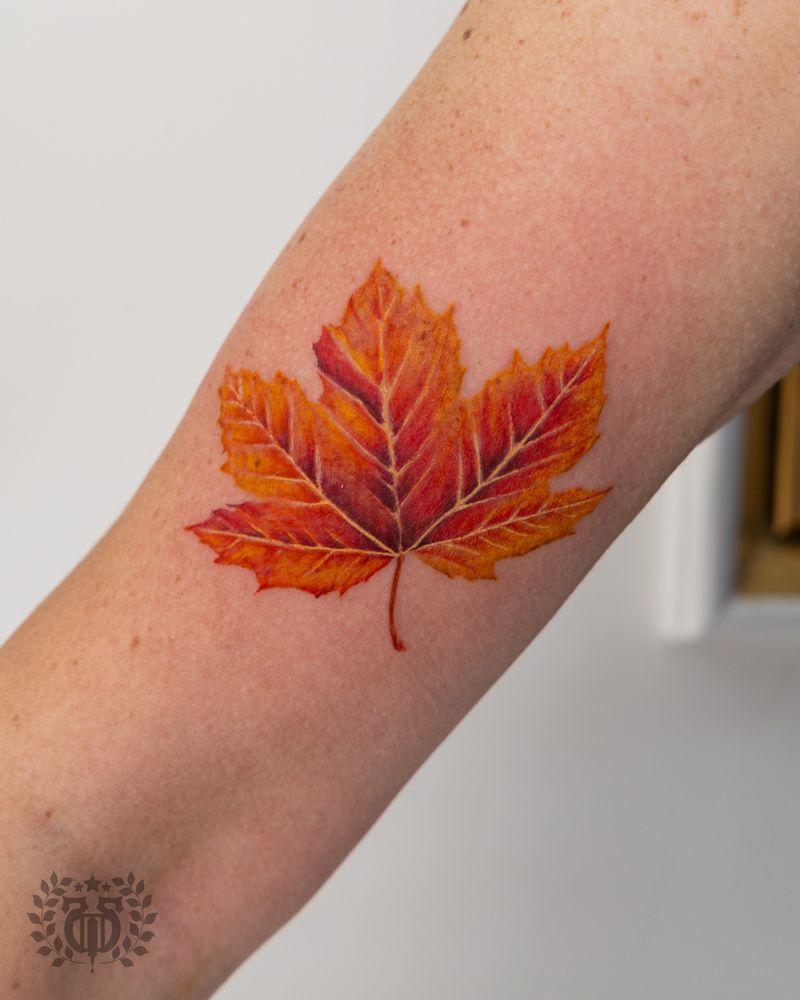
- Smaller illustrative design — a botanical, an object, a small figure, a simple traditional subject
- Pulling from flash on a forgiving placement
- First tattoo where the subject matter is flexible
- Genuinely walk-in territory — quick, contained, confident
- Where fundamentals (line quality, saturation, composition) are what the piece needs, not a decade of narrow repetition
- Building a first collection, learning the medium, modest-scale pieces
The generalist with clean fundamentals is probably the most underrated archetype in tattooing. Line, saturation, and composition translate across styles.
When to refer out
The integrity signal most clients miss.
The hardest thing for a studio to do — and the clearest integrity signal — is telling a client that the piece they want belongs somewhere else. A reputable studio will do this. A studio that accepts any combination of subject, style, size, placement, and budget without routing feedback is signaling that the sale matters more than the piece.
Piece outside the lane
A fine-line artist asked to carry a large Japanese backpiece should say no. A portrait specialist asked to execute ornamental geometry should say no. Lane discipline is what protects a specialist’s work.
They know someone who does it better
Working artists know each other. A referral to a peer further along in a specific idiom is one of the strongest signs that the first artist is actually in command of their own lane.
Schedule makes it impractical
A piece that sits on a waitlist fourteen months and then gets rushed into a single session is worse than a referral to an artist who can give it the sessions it needs.
Personality fit is wrong
Tattoos take hours, sometimes across months. If artist and client don’t click in the consultation, it’s legitimate to reroute — not a failure, just a mismatch.
Cases where referral out is likely
- Traditional Japanese bodysuit work by a lineage-trained master in that tradition
- Tebori hand-poke work — its own technique separate from machine tattooing
- Polynesian tatau by a culture-bearer — the work carries genealogical meaning a non-culture-bearer should not produce
- Extremely large backpieces or full bodysuits needing a dedicated multi-year specialist
- Specialty techniques the roster doesn’t carry at specialist depth
The consultation as audit
Two-way, not one-way.
A tattoo consultation is not a sales pitch. It’s not a script the artist runs and you nod along to. At its best, it’s a two-way audit — you checking fit, the artist checking fit, and both of you deciding whether to commit the next three hours, or thirty, to the same piece of skin.
A pitch has a winner and a loser. An audit has two people trying to land on the same honest read. An artist who wants the booking regardless of fit is running a pitch. An artist who wants the right booking is running an audit. The first ten minutes tell you which one you’re in. Short consultations — the ten-minute drive-by, the front-desk quote that doubles as the entire conversation — are less of either.
The three questions
What to ask. What to listen for.
Three questions do most of the consultation’s work. They separate a specialist from a generalist, an engaged artist from a transactional one, and a piece that’ll work from one that won’t.
The healed-example question
“Can you show me three healed examples of this style, on skin like mine, from clients at least six months out?”
Separates an artist with a practice from an artist with a portfolio. A specialist has healed photos stored, labeled, timestamped. An artist who dodges, waffles about client privacy for photos already consented to share, or only has fresh photos is flagging something — sometimes innocent (newer lane, fewer reps), never invisible.
The hardest-part question
“What’s the hardest part of the piece I described, and how would you handle it?”
How an artist thinks about failure is more informative than how they think about success. A specialist answers without defensiveness — the weight that will blur at this scale, the placement that wraps poorly, the color that will shift warm on this skin. A generalist chasing the booking flattens: “it will be fine.” Engaged problem-solving is the one you’re hiring.
The pushback question
“What would you do differently than the reference I brought in?”
Every serious artist has opinions about the reference in the room. An artist who won’t push back — who nods at everything, agrees to every placement, never suggests a size change — is almost never the right hire. The reference is a starting point, not a finish line. An artist who can’t move you off it will replicate its flaws.
Six more questions that surface fit
- “How long have you been doing this style specifically?” (not how long tattooing — how long this lane)
- “What’s your touch-up policy on your own work?”
- “Do you do cover-ups, and if so, how do you approach them?”
- “What styles do you turn down?” (specialists have clear answers; artists who accept everything have told you everything)
- “How do you handle it when a client wants a placement change at the stencil stage?”
- “What’s your cancellation and rescheduling policy?”
Reading the response
The “how” of an answer matters as much as the “what.”
Confident and specific vs vague and flattering. Engaged questions asked back at you vs transactional silence. Honest “I don’t do that well” vs “anything is possible.” The signals are easy to read if you know to watch for them.
Green signals
- Confident, specific answers — specialist fit, the artist has been here before
- Questions asked back at you about your life, body, timeline, tolerance for touch-ups — engaged artist running their own audit
- Honest “I don’t do that well, let me refer you” — the highest-integrity signal a consultation produces
- Discusses constraints honestly (“this placement won’t work at that scale”)
- Thoughtful pushback on the reference
- Offers similar pieces they’ve done, pulled up in the moment
- No rush toward booking
Red signals
- Pressure to book on the day of the consultation
- Upselling scope beyond what you asked for
- Dismissing your references without engagement
- Quoting immediately without understanding the piece
- Refusal to quote a range or specify a rate
- Avoidance of the healed-photos question
- Talking more than listening
- Phone out the whole conversation
After the consultation
Twenty-four to forty-eight hours, minimum.
Before you decide. The decision is better on a full night of sleep than on the adrenaline of the room. Four questions to sit with.
- 1Does the artist’s approach actually make sense to you, now that the room isn’t performing?
- 2Did they quote a range that fits your real budget?
- 3Are you excited about how they would execute — or only about how they presented themselves?
- 4Would you still book if another artist had said the same words? (If yes, the words were the draw. If no, the person was.)
Second consultations are legitimate. Sleeves, backpieces, cover-ups, multi-session custom work — the single consultation cannot carry the design weight. A second consultation is not a sign of indecision. It’s a sign of seriousness. A studio that treats a second consultation as a burden is telling you how it treats the piece itself.
A great generalist is better than a mediocre specialist for many pieces. Specialization is not status — it’s a match problem.
A consultation is not a pitch. It is a two-way audit. You’re checking fit. The artist is checking fit.
Trust the read. A consultation that didn’t feel right becomes a tattoo that doesn’t feel right. The cost of another consultation is negligible. The cost of the wrong tattoo is not.
FAQ
Questions every artist-fit consultation surfaces.
Seven questions Apollo hears most often when a client is deciding who to sit with.
How do I actually tell if a tattoo artist is good?
Three lenses. First, healed work — photos six months or more after the tattoo, not fresh. Fresh tattoos look crisp because of inflammation; healed tattoos show what actually stays on skin. Second, consistency across years — one incredible tattoo proves one; forty consistent pieces across four years prove a practice. Scroll past the hero shots and look at the fourteenth piece, the twenty-second, the thirty-eighth. Third, fundamentals through filters — line wobble on long curves, inconsistent saturation in large fills, awkward composition crowded against joints, black work that grays out in the same spot across multiple pieces. These artifacts survive every filter on every platform. Thirty minutes with those three lenses separates an artist with a practice from an artist with a feed.
What’s the difference between a specialist and a generalist?
A specialist has drawn the same thing many times — depth over breadth. A generalist has drawn many different things — range over depth. Both are legitimate. Neither is automatically better. Specialization is required for styles that don’t forgive — Japanese (Irezumi), fine line, photorealism, ornamental geometry, script, cover-ups, portraits. Generalists work fine for smaller illustrative pieces, flash on forgiving placements, first tattoos where subject matter is flexible, and walk-in territory. Match the difficulty of the piece to the depth of the artist. A strong generalist with clean fundamentals will out-tattoo a mediocre specialist on most small-to-medium work. Specialization is not status — it’s a match problem.
What are the biggest red flags in a tattoo portfolio?
No healed photos anywhere in the portfolio (not in highlights, stories, or on request). Every shot at the same angle, lighting, and filter — no range of how the work appears in the world. Style roulette across a single month with no clear specialization. Heavy reliance on flash with almost no custom examples. A thin body of finished work stacked against a disproportionately large follower count. Crops that show only part of the tattoo, never the whole piece. Ring-light-and-heavy-edit on every single shot with no process photos or in-progress snaps. Any one of these is a pause. Two or more is a no.
What questions should I ask in a tattoo consultation?
Three that do most of the work. One: “Can you show me three healed examples of this style, on skin like mine, from clients at least six months out?” Two: “What’s the hardest part of the piece I described, and how would you handle it?” Three: “What would you do differently than the reference I brought in?” The first separates practice from portfolio. The second exposes how the artist thinks about failure. The third surfaces taste — an artist who won’t push back on your reference is almost never the right hire. Other useful questions: how long they’ve been doing this style specifically, touch-up policy, cover-up approach, what styles they turn down, how they handle stencil-stage placement changes.
Is Instagram a good way to evaluate a tattoo artist?
A starting point, not a whole portfolio. Instagram is a curated feed. Reels and trending posts optimize for engagement, not craft — a decent artist can lose a Reel lottery, and an overheated one can win it. Stories are often more honest than posts because they show process, mistakes, real-time work. Healed photos usually live in Highlights, not on the main grid — start there. Follow with a deeper dive: a personal portfolio site, a Tumblr from years back, a printed book at the studio, older archives that are less curated. A serious artist almost always has work outside the algorithm. Instagram is the entrance to the research, not the whole of it.
What if I can’t tell if an artist is right for me after the consultation?
Take 24–48 hours before deciding. Sit with four questions. Does the artist’s approach actually make sense to you, now that the room isn’t performing? Did they quote a range that fits your real budget? Are you excited about how they would execute, or only about how they presented themselves? Would you still book if another artist had said the same words? If the answers are mostly yes, book. If they’re mostly no, don’t — even out of politeness, convenience, or sunk cost. A consultation that didn’t feel right becomes a tattoo that doesn’t feel right. The cost of another consultation is negligible. The cost of the wrong tattoo is not.
When should I travel for a tattoo artist?
When the piece is large, long-term, culturally specific, or technically narrow enough that the specialist’s address isn’t negotiable. Sleeves, backpieces, bodysuits, cover-ups by a specialist, traditional Japanese work by a lineage-trained master, commitment pieces that sit at the top of a collection — these justify travel because the specialist’s depth matters more than the commute. Travel doesn’t make sense for small flash, first tattoos, or budget-conscious work; a strong local generalist will serve those pieces better than a long-haul trip. Guest spots and conventions (London Tattoo Convention, Paris Mondial du Tatouage, California shows) exist for exactly this reason — the craft’s answer to the geography problem.
Ready for the right consultation?
Bring the reference. Bring the questions. Bring the willingness to walk.
Apollo consultations are built for the audit — healed examples, pushback on the reference, honest lane discussions, and the referral out when the piece belongs somewhere else. Book a consultation and find out what the right match actually feels like.