Tattoo Styles
Color
Saturation is a verb. Packing pigment until the fill is genuinely solid — not the hue you picked off a screen — is what decides whether a piece still reads from across a room in fifteen years. Pigment brands, palette families, and the sub-styles hiding inside the word color.
Book a consultationPigment logic
What color tattooing actually is.
Color is defined by pigment count and saturation logic, not by a single needle configuration. In practice, it comes down to what is in the caps.
The pigment is the whole style. Modern tattoo color pigments are manufactured as sterile solutions by specific brands — Eternal, Fusion, Intenze, Solid Ink, World Famous, and others — each with their own formulation logic and longevity profile. A studio that specializes in color will typically stock multiple brands to get specific hues right; a studio that primarily does fine line and black and gray may only carry a single base black.
Needles in color work use broader configurations than fine line. Packing color (the act of depositing pigment into the dermis to produce saturated fill) is typically done with magnum configurations — M1, RM, SM — ranging from 5M up to 19M depending on the area being filled. Liners handle outlines in 7RL, 9RL, or larger for traditional bold work. Machine choice matters: modern rotary machines produce consistent saturation; coil machines with tuned saturation are still the preference of some traditionalist color specialists.
The craft discipline is saturation control. A color piece fails when the pigment isn't packed densely enough (the piece heals patchy and pale) or when it's pushed too deep (it blows out laterally, producing the characteristic muddy halo). The window is narrow and specific to each pigment brand. Specialists build years of muscle-memory on their preferred pigment lines and usually decline work that requires pigments they don't regularly run.
One framing note worth holding: the “color tattoo” style in 2026 encompasses more sub-specialties than any other stylistic style in the medium. American Traditional color is a different technical and compositional practice from watercolor color, which is different from Japanese irezumi color. Treating them as variants of one skill set produces the generalist-color portfolio clients should learn to recognize as a warning sign at consultation.
Four palette families
Traditional, neo-traditional, irezumi, watercolor.
Inside color tattooing, four palette families account for most of what clients actually want. Knowing which one you're in narrows the artist search by a factor of ten.
American Traditional
Four-color flash palette
Red, green, yellow, and black — plus occasional accent colors. The palette the style was invented around over a century of American tattooing. Bold outline, flat fill, minimal shading. Longest-proven longevity in the medium. The default for clients who want their color piece to outlast them.
Expanded dimensional palette
Burgundy, teal, mustard, dusty rose, sage, ochre, cream. Traditional outline retained, but the palette expands and the shading gains dimensional depth. Where most contemporary ornamental color work lives. Ages well because the outline scaffolds palette drift.
Japanese Irezumi
Codified traditional palette
Vermilion, indigo, moss green, persimmon, sumi black — a codified palette with 400 years of tradition behind it. Paired with codified compositional elements: wind bars, waves, clouds, negative-space framing. Native scale is full-back and full-sleeve; smaller pieces compress the style's compositional grammar.
Watercolor & contemporary
Saturated splash, minimal outline
The fine-art style. Saturated pigments in splash, wash, drip, and bleed patterns, often with minimal or no bold outline. Photographs spectacularly on day one; ages fastest in the style family because the outline isn't there to scaffold the fade. Plan for earlier touch-ups in this category specifically.
Color's range
The subjects color tattooing was built for.
Color's range is the widest of any style in tattooing. These seven subject families are where it consistently earns its keep.
American Traditional flash
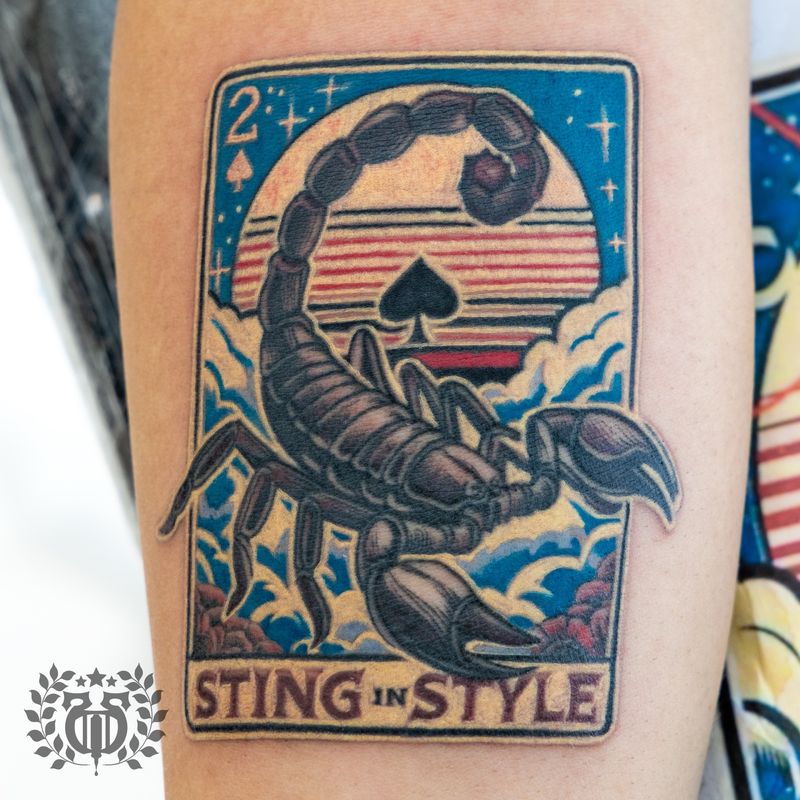
The subject color tattooing was built around. Swallows, pin-ups, panthers, daggers, hearts, roses — engineered over a century of American tattoo practice around the four-color flash palette (red, green, yellow, black). Saturation plus bold outline plus limited color count equals the style that ages better at 40 years than anything else in tattooing.
Neo-traditional ornament
Where most contemporary color work lives. Traditional's bold outline paired with an expanded palette — burgundy, teal, mustard, dusty rose, sage. Ornamental flora, animal portraits, Art Nouveau framing. The style gives dimensional color without asking you to commit to photorealism.
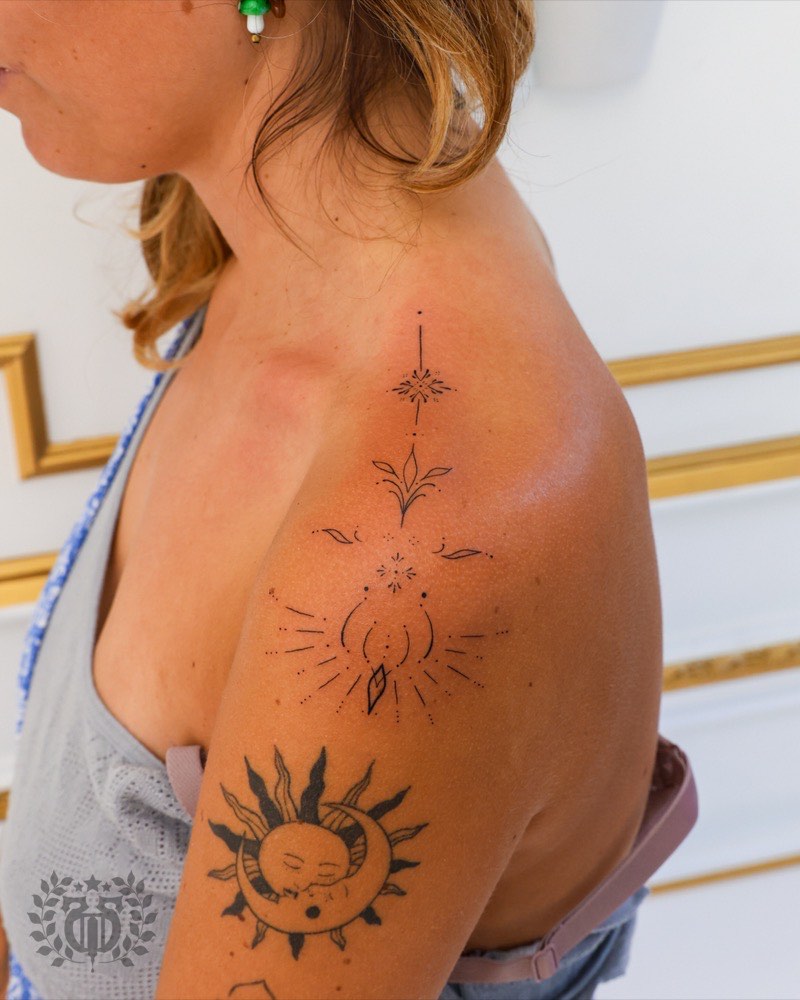
Japanese irezumi
Dragons, koi, peonies, foo dogs, hannya, tigers. A 400-year color tradition with its own codified palette — vermilion, indigo, moss, persimmon — and its own compositional rules (wind bars, waves, negative-space framing). Full-back and full-sleeve scale is the native scale of the style.
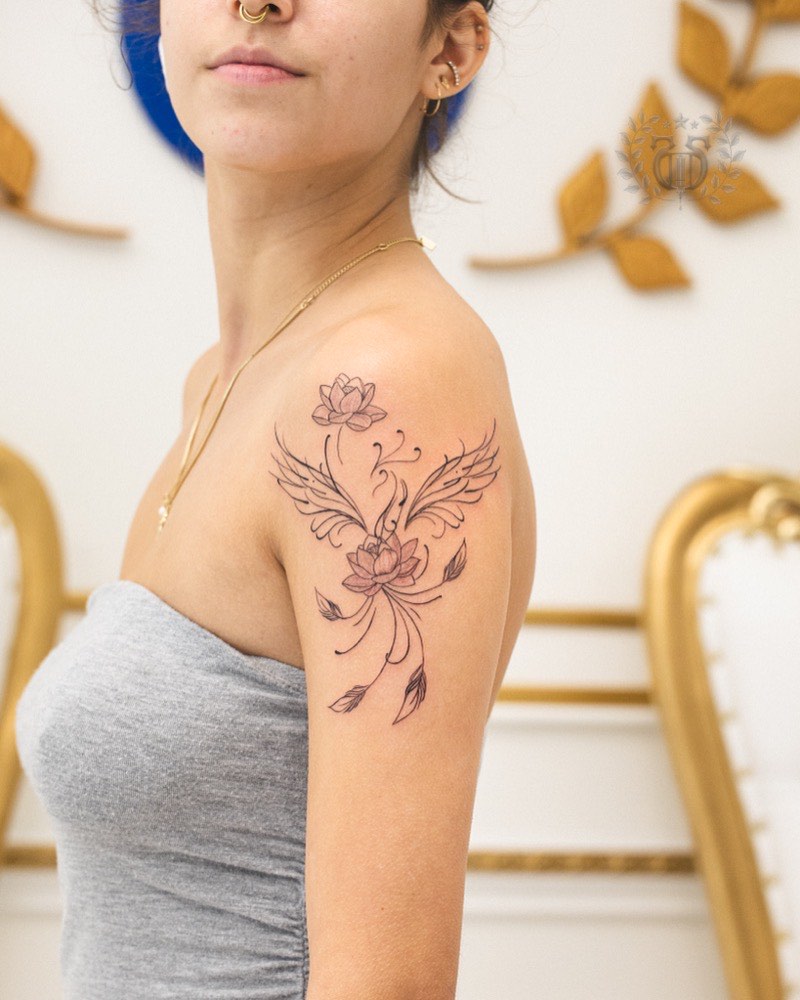
Illustrative color
Children's-book, storybook, comic-panel, and contemporary-illustration styles rendered in color. Flatter color fills than realism, cleaner outline than watercolor, more illustrative freedom than traditional. The style of choice for portrait-of-pet, fantasy subjects, and subjects pulled from specific illustrated references.
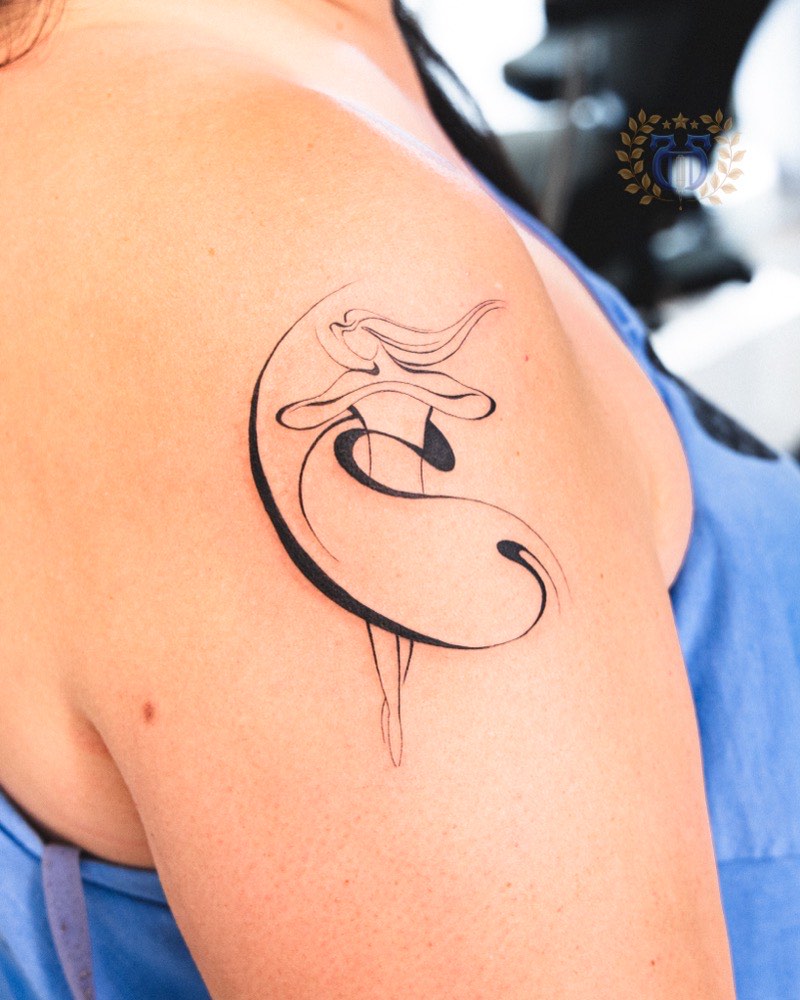
Watercolor splash
Painterly color with deliberate bleeds, drips, and splash-pattern wash, often without bold outline. Photographs best on day one. Fade behavior is the fastest in color tattooing — watercolor pieces almost always need a touch-up at 7–10 years because the wash lacks the outline scaffolding that helps traditional color hold.
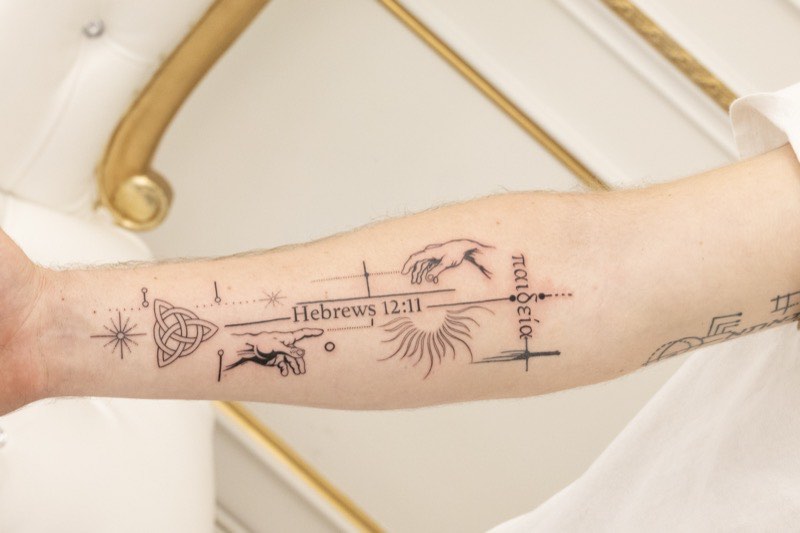
Color realism
Photorealistic rendering in full color — portraits, pets, landscapes, specific-reference botanicals. Covered in depth on our color-realism sibling page. Demands scale (5 inches minimum), specific reference material, and specialist fit. A narrower specialization inside the broader color style covered here.
Color tribute & memorial
Memorials that turn on a specific color: a team jersey, a national flag, a grandmother's dress, a childhood room. Color is doing the meaning-work in these pieces. Picking the right pigment line matters — two reds from different manufacturers can age into two entirely different readings by year ten.
What color can't save
The requests color cannot save.
Color is not a filter you apply to any idea. These are the ideas color cannot rescue, regardless of the artist.
Chicano single-needle style
Chicano single-needle tattooing is historically monochrome — gray-wash portraits, religious iconography, fine-line lettering. The style's whole logic runs on tonal range, not color. Color Chicano work exists but is a separate specialization; pure Chicano reference material does not translate into full-color rendering.
Gothic, blackletter, dark ornament
Blackletter, dotwork, medieval-reference ornament, and dark-European-tradition work read most convincingly in pure black. Injecting a full palette into these subjects flattens the reading they earn from their monochrome lineage.
Micro-scale detail
Color pieces under 2 inches compress — the palette collapses into unreadable mud within 5 years. Saturated color needs enough area for individual pigments to remain distinct as they settle into the dermis.
Cover-ups over dense saturated black
Color's pigment load is generally lower than blackwork's. Covering a solid-black piece with a color composition almost always requires laser lightening first; attempting color on top of unmodified black typically produces muddy, unreadable work.
Surgical-scar and stretch-mark camouflage
A specialized paramedical tattooing style — skin-tone color-matching rather than decorative color work. Technically color tattooing, but the discipline is completely separate from the artistic styles covered here.
Photorealism without specific reference
Color realism demands a specific reference photo the artist can work from. A realism piece without specific reference becomes an inventory rendering — generic, unanchored, and disappointing. Use the color-realism specialization only when you have the reference.
Measurements
The measurements worth knowing.
Color longevity depends on scale floors and placement choices more than most clients realize. The rules below aren't preferences — they're the honest minimums for the style to read at year ten.
Size floors for saturation
Below this the pigments can't stay distinct as they settle — red bleeds into black, yellow disappears. Save the micro pieces for fine line or traditional-outline-only.
Under four colors the piece reads as bi-tonal rather than neo-traditional. The style needs palette range to earn its name.
UV-exposed placements (forearm, calf, hand) benefit from larger scale so color retains its read through inevitable fade. A smaller piece on a sun-exposed arm will need touch-ups years before a larger piece would.
The style is built for back-piece and full-sleeve scale. Miniature Japanese work exists but compresses the compositional logic — wind bars and wave-work need area.
The best ground for pigment
- Outer forearm. Classic color placement — stable skin, moderate sun, flat working surface.
- Upper arm (bicep). The American Traditional placement. Color holds for decades here.
- Calf (outer). Steady skin, easy to protect from sun in the healing window.
- Chest panel & sternum. Plenty of area for full-palette work, less UV exposure than arms.
- Thigh (outer). The largest stable canvas on the body — where irezumi back pieces extend.
- Upper back. Least UV exposure of any visible placement; color holds saturation longest here.
Spots that eat pigment
- Fingers. High cell turnover; color fades or blurs within 1–2 years. Traditional tiny color finger pieces are a repeat-touch-up commitment.
- Palms & soles. Friction sheds pigment within months. Color should not be placed here.
- Feet. Shoe friction and sun exposure both strip color fast.
- Inside wrist. Thin skin, high flex, aggressive color aging for delicate work.
- Hands (for saturated color). Sun and friction both. Bold traditional color on hands is a century-old practice that requires ongoing touch-ups.
- Stomach (post-weight-change). Skin that will expand or contract significantly distorts color work more visibly than black-only.
Color in the wild
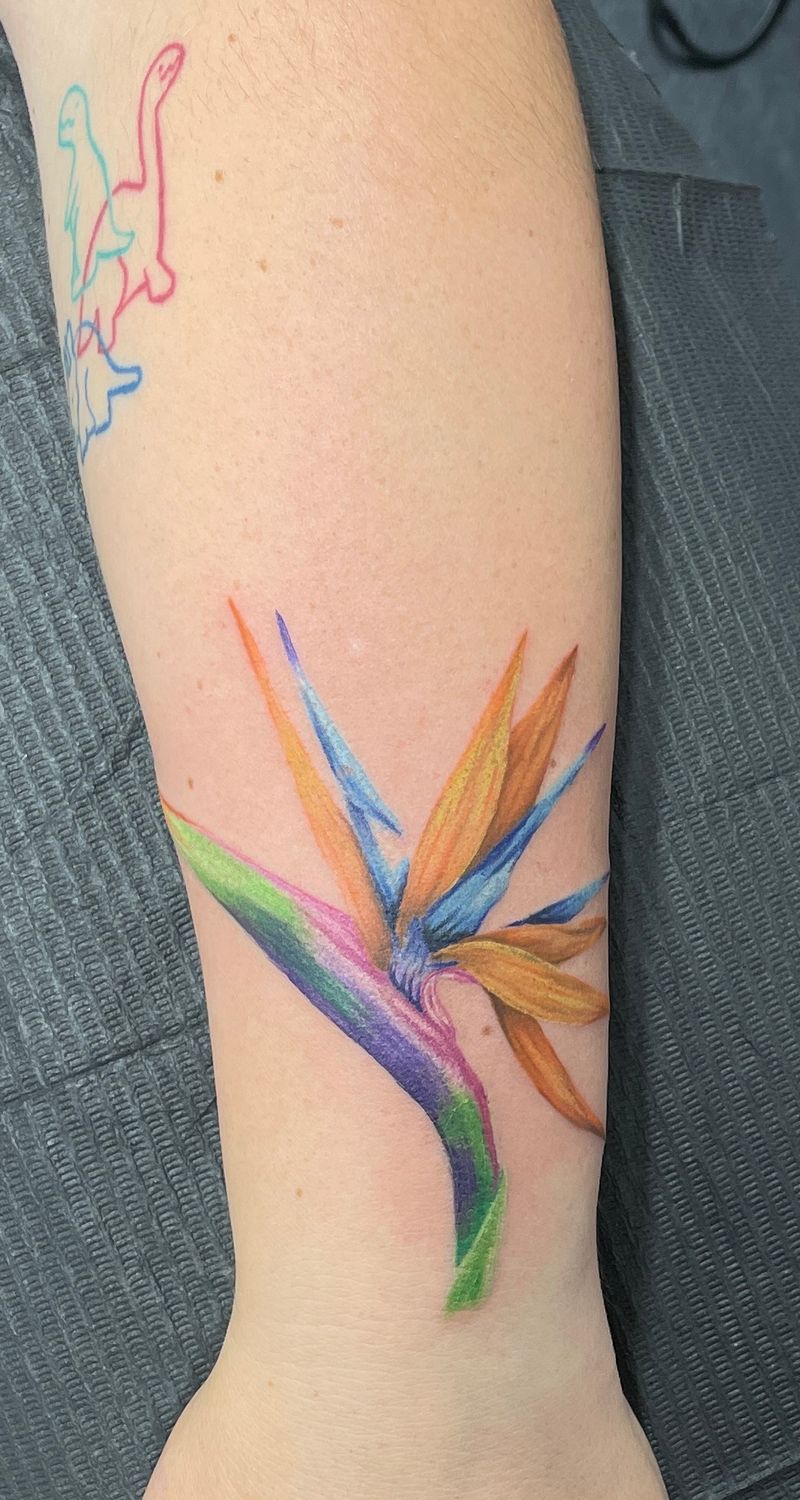
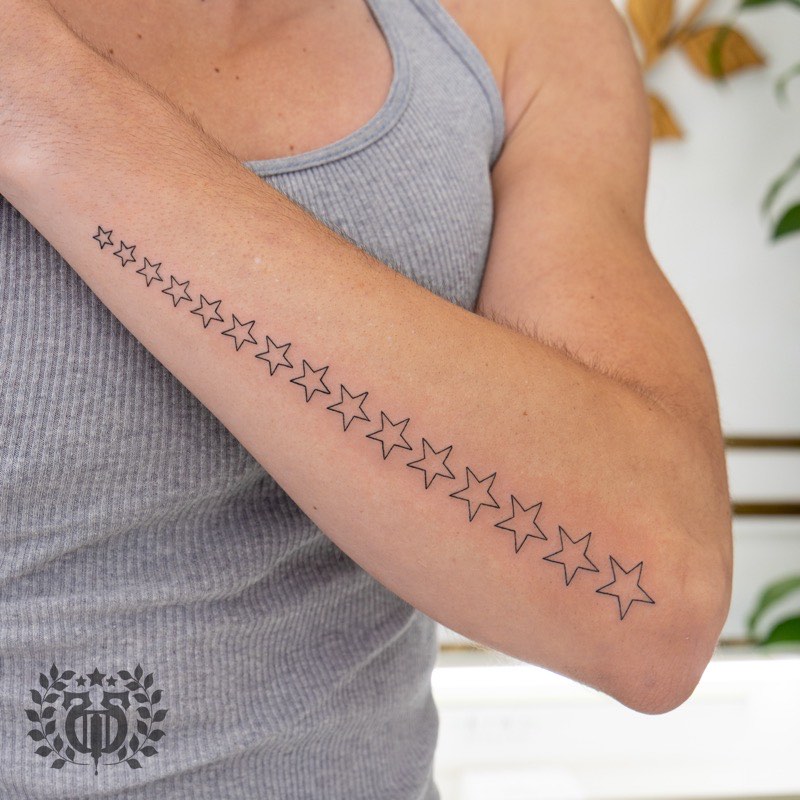
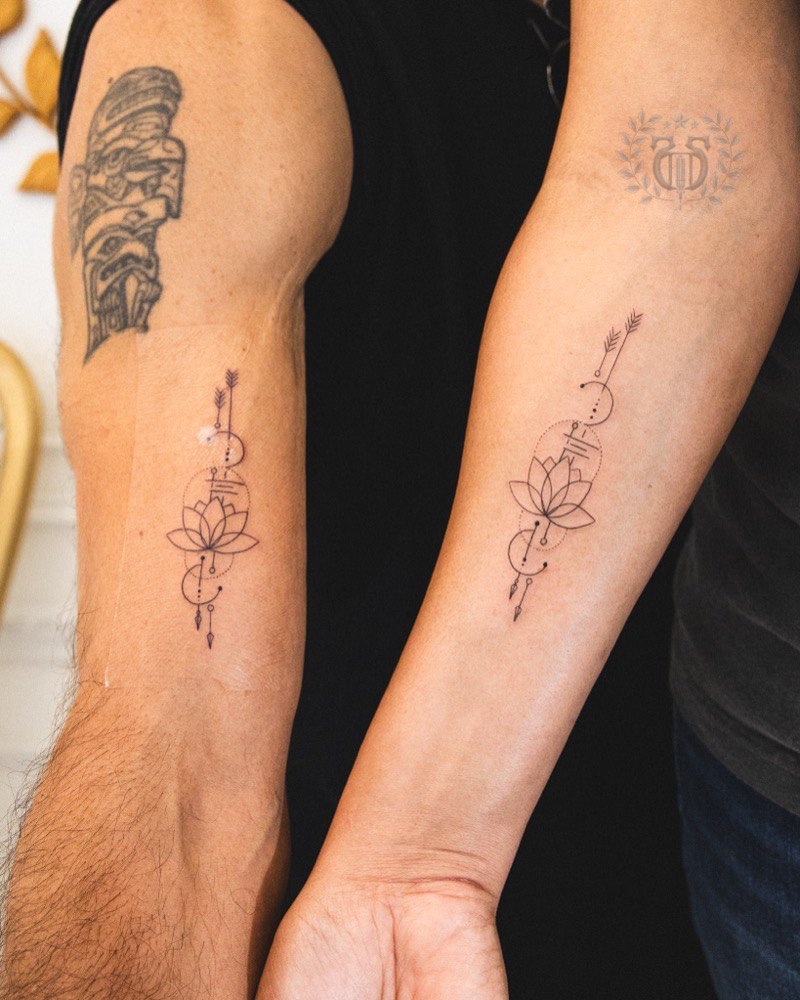
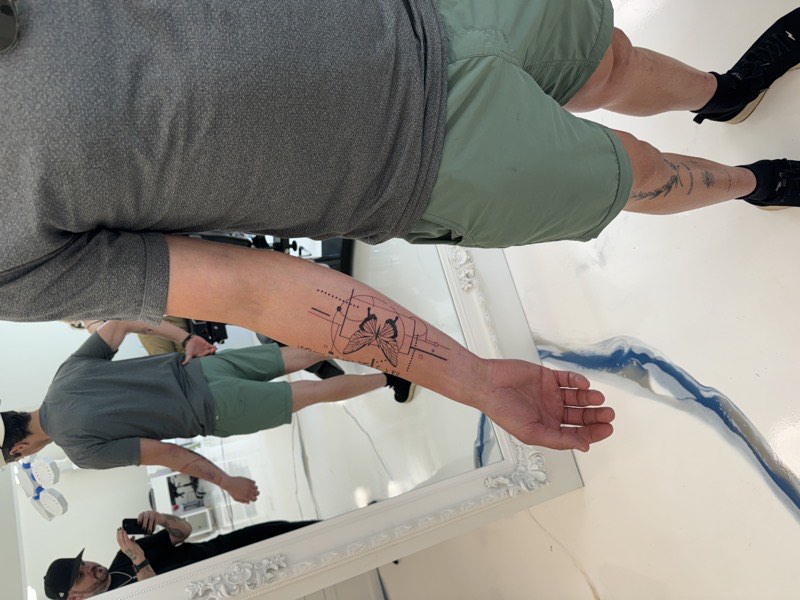
Palettes as they actually heal.
Over time
What the palette does over time.
Aging behavior in color is specific to the style and the palette. Below is the year-by-year read, said plainly.
Saturation settling
Healed color at one year looks softer than wet-ink day-three photos — and that's correct. The dermis remodels, surface plasma and scab texture lift, and the color settles from its brightest deposited state into its true long-form read. This is settling, not fading, and specialists prep the expectation at consultation.
First fade differentials appear
By year three, different pigment families start showing their true fade behavior. Yellows and light reds are usually the first to lose saturation. Blacks, dark greens, and blues hold closer to their original values. This is the early touch-up window for clients who want to preserve a 'fresh' read.
When color needs topping up
Most color pieces receive their first real touch-up in this window. Yellows and highlights are typically re-saturated first; reds and greens follow. Well-laid traditional work at 8 years may need only minor refreshing; watercolor pieces at 8 years often need significant rework because the wash has lost definition.
Palette drift
Color pieces at 15 years read as recognizable versions of themselves with palette shifts — reds cool slightly, yellows cream, whites become negative space. A traditional outlined color piece still reads as the same tattoo; a watercolor piece without outline may need substantial rework. This is the style's honest long-form behavior.
What two decades actually do
American Traditional color at 20 years is the longest-proven outcome in the medium — a well-laid Sailor Jerry swallow from 1965 on a senior collector still reads correctly. Other color styles trail behind that standard but remain recognizable and intentional at 20 years with reasonable care. The outline carries the composition long after individual pigments drift. Watercolor without outline is the shortest-read style — plan for it accordingly.
Three variables dominate how color specifically ages: pigment line (different brands age into different final reads), UV exposure (warm-tone pigments photobleach faster than cool tones, and broad-spectrum SPF 30+ on healed tattoos is the single biggest longevity move a wearer controls), and outline presence (pieces with bold traditional outlines hold their compositional integrity longer than outline-free watercolor pieces).
Palette table
Palette against placement, in one table.
The palette table we open at consultation. Nothing here is fixed. Palette and scale both move once an artist has seen what you brought in.
Assumptions
Five color expectations we reset.
What people assume about color before they book it. None of this is a comment on your existing work.
“Color fades fast — that's why everyone does black and gray now.”
Mostly the fashion of the moment speaking. American Traditional color at 30+ years on senior collectors is the longest-proven longevity record in tattooing. Modern pigments and specialist lay-in technique give color multi-decade stability when placed, sized, and cared for correctly.
“I can do any idea in color — it's just adding color to a black-and-gray plan.”
Color is its own style with its own compositional logic. Pigment count, palette warmth, outline weight, saturation level — all shape the final read. A black-and-gray idea converted to color is not the same piece as one designed in color from the sketch.
“Watercolor is the prettiest color tattoo style.”
On day one, often true. At year ten, often not. Watercolor lacks the outline scaffolding that helps traditional color hold its composition — which means the style photographs best at the cost of fading first. Choose it with eyes open; don't choose it by accident.
“All color pigments age the same way.”
They don't. Red and yellow families generally lose saturation faster than cool tones and blacks. White ink almost always fades first and most — it's frequently used as highlight that intentionally disappears into the skin over years. Pigment choice is a craft conversation at consultation.
“Darker skin doesn't hold color the same way.”
Color reads differently across skin tones, not better or worse. On Fitzpatrick IV–VI skin, saturated warm tones (red, orange, yellow) may read quieter and specialists adjust palette planning accordingly — often favoring deeper cool tones and higher-saturation pigments. The best signal is an artist whose portfolio shows healed color work across a full range of skin tones.
Finding a color hand
Finding a genuine color hand.
Color rewards specialist fit inside a sub-style. What to look for in a color book, what should stop you, and what to ask before you sit down.
What good color work looks like healed
- Multi-year healed color photos posted proudly
- Consistency across palettes — warm pieces hold, cool pieces hold, same hand
- Willingness to discuss pigment brands, vegan-ink options, allergy-safe options
- Specific craft language: saturation layering, packing technique, pigment interaction
- Subject specialization within color (traditional, irezumi, neo-traditional, illustrative) rather than claiming all of it
- Long-form captions that walk through color-planning decisions
Warning signs
- Portfolio shows only fresh wet-ink photos — no healed color documentation
- Visible patchy color saturation inside a single piece (especially in fills)
- No discussion of pigment lines or brand in captions
- Color pieces with blown-out black outlines (black bleeding into surrounding skin)
- One strong color piece surrounded by realism, fine line, and traditional work (generalist, not specialist)
- Refusal to show the same piece at 1-year and 5-year healed stages
- Saturated color attempted in placements known to fade (hands, fingers, feet) without prep conversation
Six questions about pigment choices
- Which color pieces in my subject area have you healed this year?
- Which pigment lines do you use, and why?
- At this size and placement, what palette would you recommend — and why?
- How many sessions should I plan for this scale, and why break it across sessions vs. one long sit?
- What does your touch-up window look like for color work specifically?
- Which color styles inside your practice do you decline, and why?
A genuine color hand has a specific answer to each of these. A generic reply to a specific question tells you plenty.
FAQ
Color, without the sales pitch.
Seven questions about pigment, saturation, and what color genuinely costs you over twenty years.
What's the difference between color tattoos and color realism?
Both sit inside the same pigment family but pursue different goals. Color tattooing in the general sense is the full-palette style — any style rendered with color pigment. It includes American Traditional, Neo-Traditional, Japanese irezumi, illustrative color, watercolor, and memorial tribute work. Color realism is a narrower specialization chasing photographic fidelity to a specific reference image. All color realism is color tattooing, but not all color tattooing aims for realism. Our sibling guide at /tattoos/styles/color-realism/ covers the photorealism-leaning specialization; this guide covers the broader color style.
Does color tattooing fade faster than black and gray?
Sometimes yes, sometimes no — depends entirely on style, pigment, placement, and care. American Traditional with bold outline and saturated pigments can outlast fine-line black and gray by decades. Watercolor without outline typically fades faster than soft-wash black and gray. The generalization 'color fades faster' is a rule of thumb that misses the range inside each category. The specialist conversation is about your specific subject, specific placement, and specific palette — not a category-wide answer.
Which color tattoo style ages the best?
American Traditional, by a wide margin and with a century of evidence. Bold 3/0 outline, flat color fill, limited four-color palette — the structure was engineered over a hundred years for longevity, and it still outperforms every other color style at the 20-year mark. Neo-traditional ages moderately well because the bold outline carries the composition through palette drift. Illustrative color and watercolor trail behind because they depend more heavily on saturation holding; plan for earlier touch-ups in those styles.
How big should a color tattoo be?
Depends on the style. Traditional outlined color works down to 3 inches because the bold outline carries structure through scale. Neo-traditional needs 4 inches to let the expanded palette read distinctly. Irezumi wants 12+ inches as its native scale — smaller pieces compress the compositional grammar. Watercolor works at 4–8 inches; below 4 the wash compresses into mud. Color realism needs 5 inches minimum. The honest rule: your scale sets your style, not the other way around.
Can color tattoos be done on darker skin tones?
Yes, always. Color reads differently across skin tones rather than better or worse. On Fitzpatrick IV–VI skin, saturated warm tones (red, orange, yellow) may read quieter because natural melanin interacts with pigment visibility, and specialists adjust palette planning accordingly — often favoring deeper cool tones, higher-saturation pigment lines, and bold outline to anchor the composition. The best signal is an artist whose portfolio shows healed color work across a full range of skin tones, with captioned planning decisions.
Are color tattoo allergies real, and what should I watch for?
Pigment reactions are uncommon but documented. Red pigments historically contained cinnabar (mercury sulfide) — modern pigments use iron-oxide and organic alternatives, but some clients still react to reds specifically. Yellows and oranges, which have historically contained cadmium, are similarly pigment-family-dependent. A specialist will discuss pigment brands, offer patch testing in uncertain cases, and note any vegan-ink or allergy-reduced lines they keep in the studio. If you have a history of skin allergies, bring it up at consultation.
How many sessions does a color piece take?
Scales with size, complexity, and layering needs. A 3-inch Traditional piece is typically one session of 1–2 hours. A 6-inch neo-traditional piece usually runs two sessions — linework plus color packing. A half-sleeve color panel is commonly three to five sessions. A full back irezumi can span eight to twelve sessions across a year or more. Layering across sessions gives skin time to heal between color deposits, which produces richer long-term saturation than attempting to pack an entire piece in a single long sit.
Where to start
Subject, palette leanings, placement — and we point you at the artist who actually works in color.
Color tattooing is a style with real sub-specialties inside it. Bring the subject, a couple of images, and the spot you have in mind — plus an honest account of how much sun that spot gets. Then we talk palette against your skin tone and your sun habits, because those two decide more about the fifteen-year read than the hue you picked off a screen.